
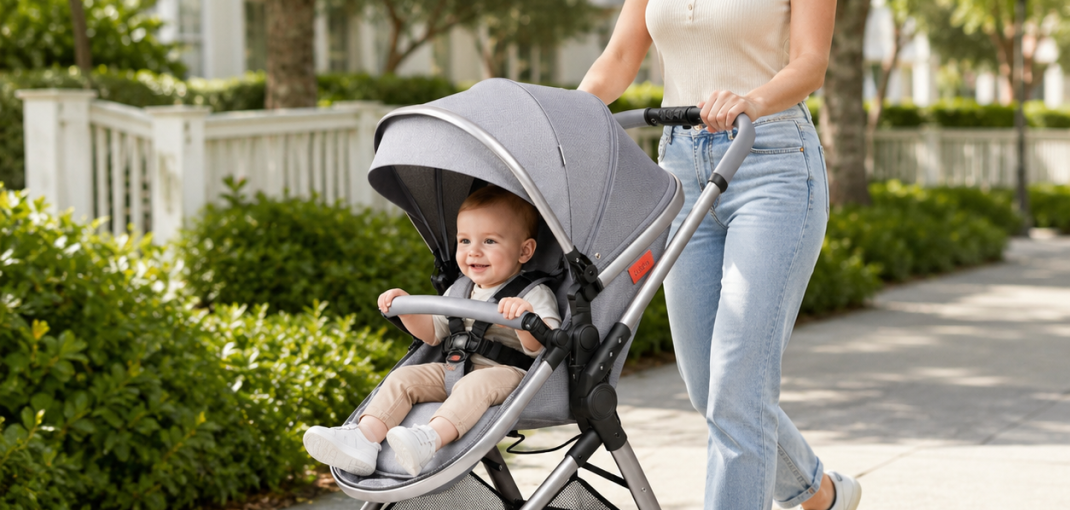
Choosing how you will travel with your baby is an important decision, especially when there are so many different products available. Two of the most common options are travel systems and strollers, but understanding the difference between them can sometimes feel confusing for new parents. Both options are designed to make outings with your baby easier, but they serve slightly different needs. The best choice for your family will depend on your baby’s age, your lifestyle, your budget and how often you travel by car.
A travel system usually includes a stroller and a compatible infant car seat. The infant car seat can be attached directly to the stroller frame, allowing you to move your baby from the car to the stroller without removing them from the seat. Some travel systems also include a carrycot or bassinet attachment. These additional options give parents greater flexibility and allow the travel system to adapt as their baby grows. A travel system can be especially helpful during the newborn stage because it allows parents to move a sleeping baby between the car and stroller with minimal disturbance.
Benefits of a travel system
A travel system offers added convenience for parents who travel frequently by car. The compatible infant car seat can be removed from the vehicle and attached to the stroller frame without waking or repositioning the baby. This can be particularly useful during the newborn stage, when babies may fall asleep during even the shortest car journeys. Many travel systems also provide multiple seating positions, newborn-friendly features, adjustable handles, reclining seats and spacious storage baskets for baby essentials. Having additional storage underneath the system can be particularly useful for carrying a nappy bag, blankets, bottles, toys and other items you may need while away from home.
Some travel systems can continue to be used as the baby grows, making them a practical long-term option for families. A system that includes a carrycot or bassinet can provide a comfortable option during the newborn stage, while the stroller seat can become the main seating option as the child gets older. For families who regularly move between home, the car and different destinations, this versatility can be one of the biggest advantages of a travel system. Rather than having separate products for every situation, parents have one coordinated setup that can adapt to everyday errands, family outings and longer trips.
Benefits of a Stroller
A stroller can be a practical choice for parents who want something simple, lightweight and easy to use. Unlike a complete travel system, a standalone stroller may be better suited to families who do not need an infant car seat to connect directly to the stroller frame or who already have a separate car seat. Depending on the model, a stroller may feature a lightweight or compact design, an easy folding mechanism, adjustable reclining positions, a protective sun canopy and a storage basket. Many strollers are also designed to provide smooth maneuverability and comfortable seating for growing babies.
An easy-fold mechanism can add another level of convenience, particularly for parents who frequently move between the car and different destinations. Some strollers offer parent-facing and forward-facing seating options. A parent-facing position can be useful when you want to keep your baby close and maintain interaction during walks, while a forward-facing position allows older babies to enjoy a wider view of their surroundings.
As your baby grows, a well-designed stroller can continue to provide a practical way to get around when little legs become tired. This can make it particularly useful for family outings, holidays and longer days away from home. Ultimately, a stroller may be the better option for parents who prioritise portability, straightforward functionality and easy everyday handling. Choosing the right model will depend on where you plan to use it, how often you travel and which features will make your family's routine easier.
What Is the Main Difference Between a Travel System and a Stroller
The main difference between a travel system and a standard stroller is that a travel system usually includes both a stroller and a compatible infant car seat, while a standard stroller is generally sold on its own. Travel systems are designed to support both car travel and everyday strolling, making them a versatile option for families who move frequently between the car and different destinations. They are often larger and may include additional accessories and features, while standard strollers are typically lighter, more compact and easier to transport for walks, shopping trips and everyday outings.
Many travel systems are also suitable from the newborn stage because they may include an infant car seat, carrycot or a stroller seat that reclines into a newborn-friendly position. Being able to attach the infant car seat directly to the stroller can be especially convenient during the first few months, as parents can move their baby from the car without needing to wake or reposition them. Whichever option you choose, always check the manufacturer’s recommended age and weight limits and follow the instructions for each seating position or attachment.
What Should You Look for Before Buying
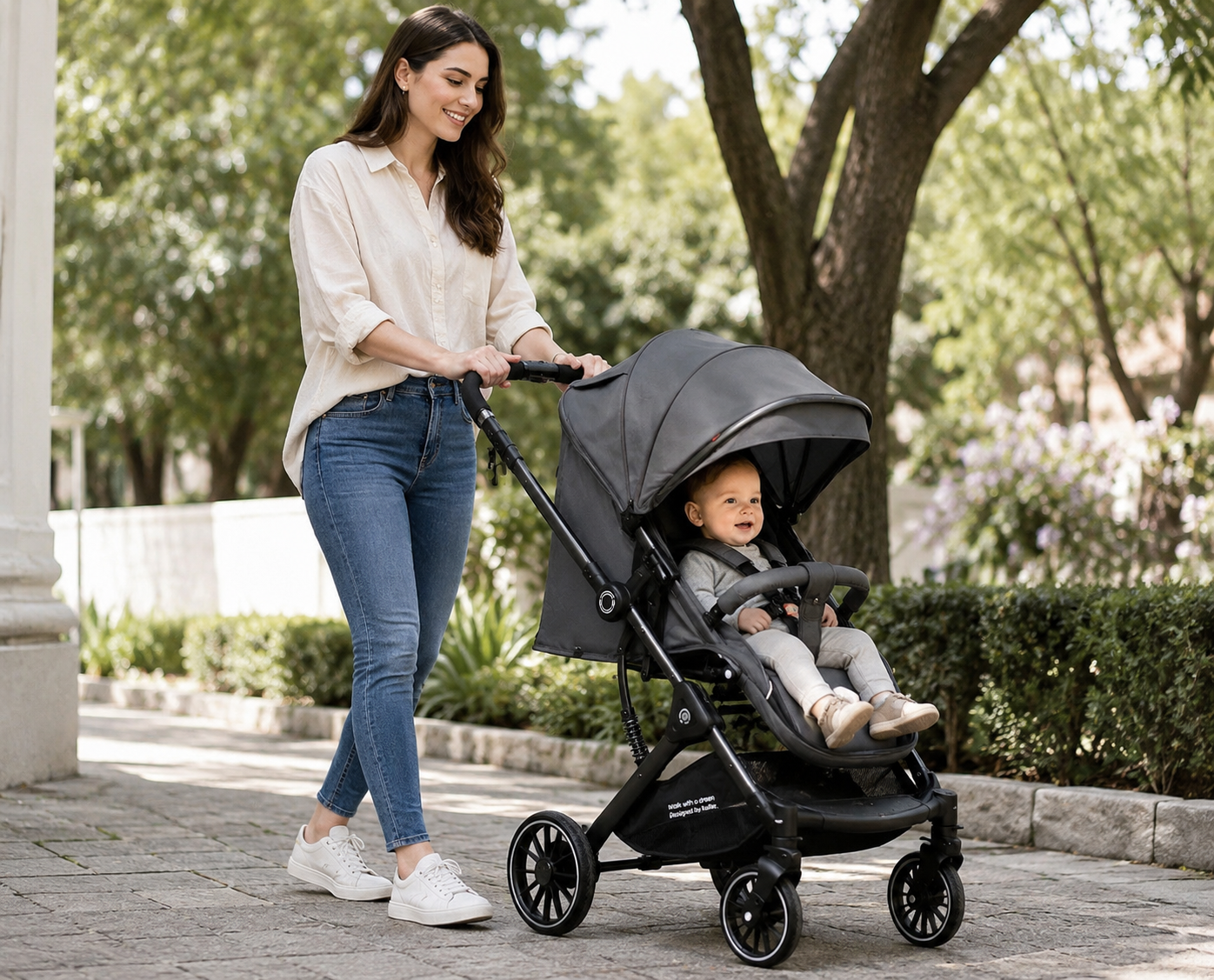
Whether you choose a travel system or a stroller, safety, comfort and ease of use should be at the top of your checklist. Look for a secure safety harness, reliable brakes and a stable frame, and make sure the product is suitable for your baby’s age and weight. Features such as a padded seat, adjustable reclining positions, a protective sun canopy and good suspension can also help keep your baby comfortable as they grow.
A simple folding mechanism is another useful feature, especially when you are holding your baby, loading the stroller into a vehicle or managing shopping bags. You should also consider how the stroller will fit into your everyday routine. Check whether it will fit comfortably in your car boot, home or storage area, and think about whether you would prefer a lightweight model that is easier to carry or a larger model with additional features and storage.